

Interview with Anika Brain
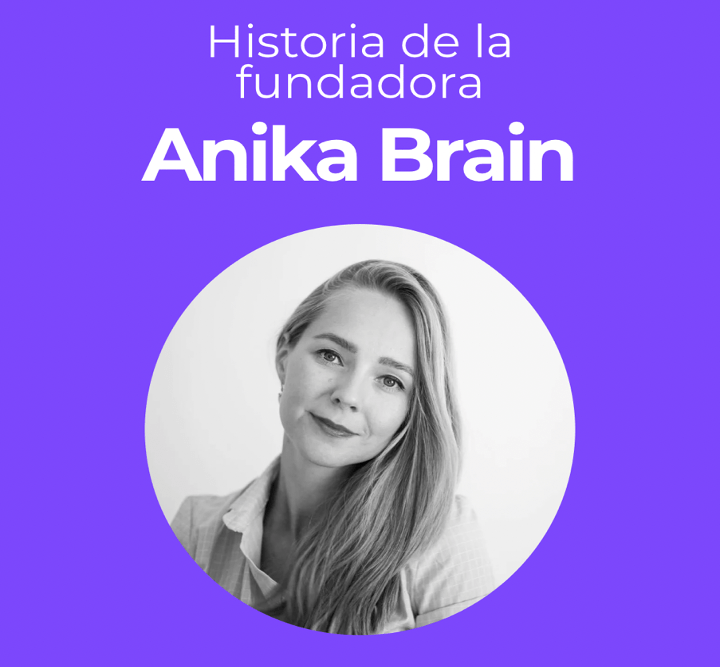
Anika Brain is an experienced EdTech entrepreneur and co-founder/CEO of PlaySEND S.L., with over 20 years of experience in education, inclusive learning design, and digital educational environments. She has developed international learning initiatives reaching hundreds of thousands of learners and has built innovative, game-based and multilingual education systems across multiple countries.
As a migrant living and working across different cultural contexts, and as a mother of neurodivergent children, Anika brings both professional expertise and deeply personal insight into inclusive education. Her lived experience has shaped her commitment to designing learning environments that are flexible, empathetic, and responsive to diverse cognitive needs.
Her participation in the Erasmus+ project “Digital Storytelling Skills for Social Enterprises” marked a turning point in how she integrates personal narratives into educational innovation.
FENAN: Before joining the Digital Storytelling project, how did you approach communication in your work?
Anika Brain: Before the project, I clearly separated professional communication from personal experience. As a founder of educational initiatives, I focused on structured, formal messaging and avoided bringing personal stories into my work.
FENAN: What changed during the project?
Anika Brain: The project gave me a completely new perspective. I began to see how personal narratives can transform both communication and education. I started consciously integrating storytelling into my work, rather than treating it as something separate.
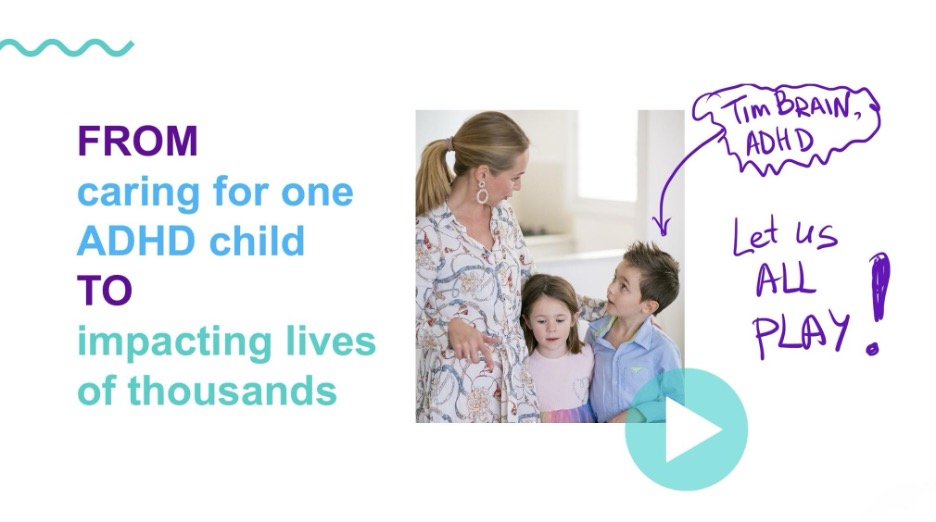
FENAN: Can you describe a specific example of how you applied digital storytelling?
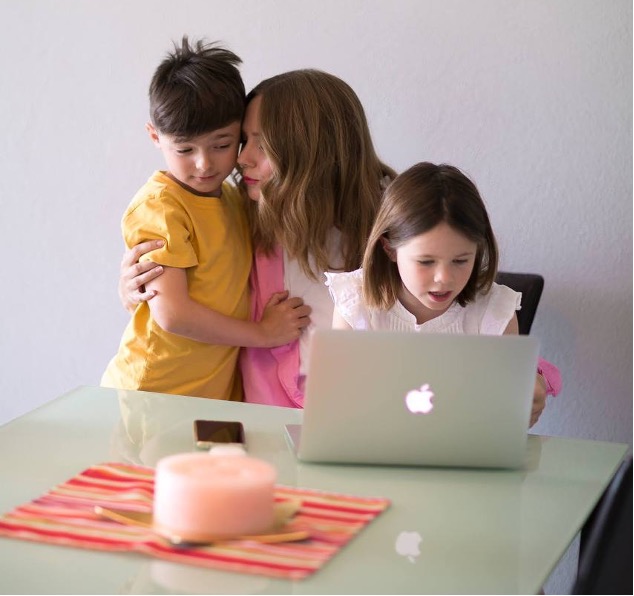
Anika Brain: One of the most meaningful shifts was when I started sharing my personal journey as a parent of a child with ADHD. Through short videos, social media posts, and storytelling formats, I began to speak openly about real-life challenges, emotions, and everyday experiences.
FENAN: What impact did this have?
Anika Brain: The impact was much stronger than I expected. I noticed a deeper connection with my audience. People began engaging not only as clients, but as individuals with their own stories and experiences.
This created a level of trust that significantly changed how we communicate and how we design our educational products.

FENAN: Did this influence your educational approach?
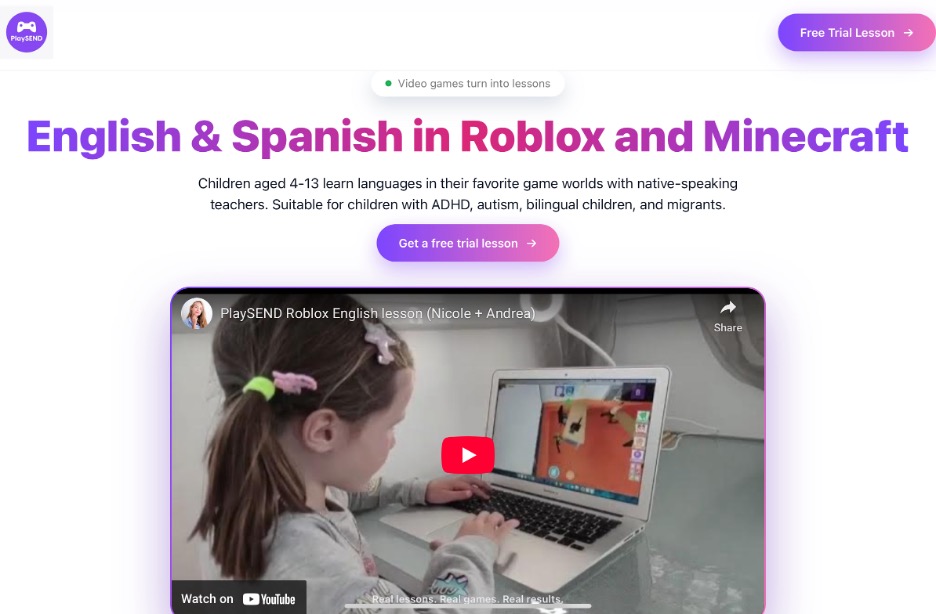
Anika Brain: Yes, very much. Our approach evolved to become more inclusive and flexible. We started focusing more on real-life learning scenarios, especially for children with diverse cognitive needs, including neurodivergent learners.
FENAN: How do you see digital storytelling now?
Anika Brain: For me, digital storytelling is no longer just a communication tool. It is a way to bring empathy, authenticity, and human experience into education. It allows us to connect learning with real life in a meaningful way.
FENAN: What was the broader value of the Erasmus+ project for you?
Anika Brain: The project helped me refine this approach and understand its broader relevance for modern learning environments. It showed me how storytelling can be systematically integrated into educational design, not just communication.
FENAN: What are your next steps after this experience?
Anika Brain: This experience inspired me to continue developing educational products that combine storytelling, technology, and inclusive learning design. I see this as a key direction for the future of education.
Conclusion
Anika Brain’s journey illustrates how the Erasmus+ project “Digital Storytelling Skills for Social Enterprises” goes beyond skill development. It enables participants to transform their professional practice by integrating personal experience, fostering authentic engagement, and advancing inclusive, human-centered education.
Her case demonstrates the project’s tangible impact: bridging storytelling and pedagogy, strengthening trust with learners, and reshaping educational design to better serve diverse communities.
 Story for Impact
Leave a comment